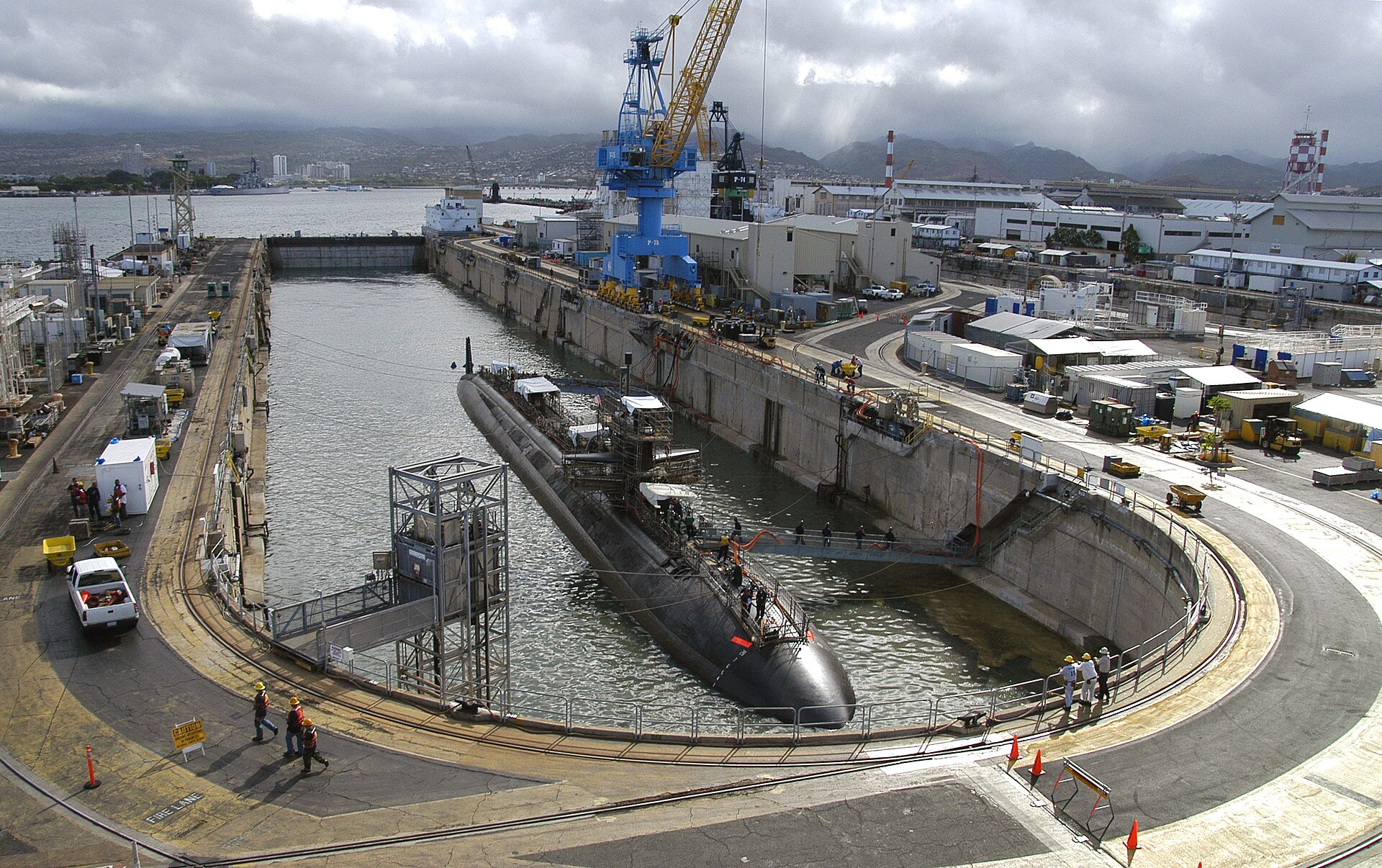
Seawater cooling systems on ships and submarines foul with marine growth, scale and corrosion products. As they do, heat exchangers lose performance, and the systems that depend on them, from machinery to electronics cooling, run closer to their limits.
The usual response is to open the exchanger and clean it plate by plate, or to circulate aggressive chemicals through the system. Both take time inside an availability, and both leave something to manage afterwards: labour, rebuild risk or chemical waste.
What maintainers ask for
- Work that fits inside the maintenance window and off its critical path
- Less chemical to bring on board and take away
- Condition recorded before and after, written for engineering review
- A tier-two scope that sits cleanly under the prime's maintenance plan
Cleaning in place, within the system's ratings, addresses each of these. The method stays ours; the outcome and the records are the customer's.